
Hair Transplant
Scalp Health Before Hair Transplant: What to Treat First
Scalp health before hair transplant surgery matters because grafts need calm, healthy skin to heal. Dandruff, infection or inflammation are usually controlled before surgery.
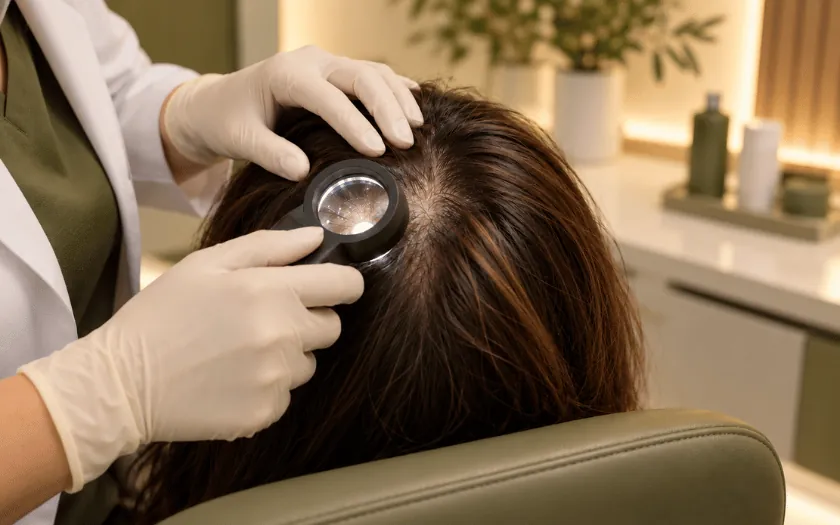
Scalp health before hair transplant surgery matters because grafts are placed into living skin that needs to heal well. Conditions such as dandruff, seborrhoeic dermatitis, folliculitis, fungal infection or psoriasis are usually treated and brought under control first. An inflamed or infected scalp can raise the risk of infection after surgery and may affect healing and growth.
- A calm, clean scalp gives grafts a better place to settle and heal.
- Active infection is usually treated before surgery goes ahead.
- Dandruff and seborrhoeic dermatitis are common and can usually be controlled.
- Some hair loss conditions, such as scarring alopecia, need to be stable before any transplant.
- Your surgeon may postpone surgery until the scalp is ready. This is a safety step, not a setback.
Why does scalp health before hair transplant matter?
During a hair transplant, many tiny openings are made in the recipient area and many small wounds are left in the donor area. Each graft depends on the surrounding skin for blood supply and oxygen in the first days. Healthy skin heals these small wounds quickly.
When the scalp is inflamed, scaly or infected, several problems can follow:
- Bacteria or yeast on the skin can raise the chance of infection in the fresh wounds.
- Inflammation can make the skin more fragile and slower to heal.
- Heavy scaling and itching encourage scratching, which can dislodge grafts.
- Folliculitis, or inflamed hair follicles, is a known complication after transplant. An existing problem can make it more likely to flare.
Common scalp problems checked before surgery
Dandruff and seborrhoeic dermatitis
Seborrhoeic dermatitis is a common condition that causes greasy, white to yellow flakes and itching on oily areas such as the scalp. Dandruff is a milder form. It tends to come and go, but it can usually be controlled with medicated shampoos and, when needed, prescription treatment. Our page on dandruff and seborrhoeic dermatitis explains the options.
Folliculitis
Folliculitis is inflammation of hair follicles, often caused by bacteria. It shows as small red or pus filled bumps around hairs. Active folliculitis is usually treated and allowed to settle before surgery. See our page on scalp folliculitis.
Fungal scalp infection
A fungal infection can cause scaly patches, broken hairs and sometimes tender swelling. It needs proper antifungal treatment and should clear before a transplant. More on our fungal scalp infection page.
Scalp psoriasis
Psoriasis causes thick, silvery scaling and redness. Psoriasis can sometimes flare in skin that has been injured, so the condition should be well controlled and the plan discussed carefully with your doctor.
Scarring and inflammatory hair loss
Some conditions, such as lichen planopilaris or other forms of scarring alopecia, destroy follicles. Grafts placed into active disease can be lost. These conditions must be diagnosed, treated and stable for a period before a transplant is even considered.
Can I have a hair transplant if I have dandruff?
Often, yes. Mild dandruff on its own does not usually rule out a transplant. What matters is that it is controlled before surgery. Your surgeon may suggest a medicated shampoo for a few weeks and check the scalp again. If the flaking turns out to be seborrhoeic dermatitis, psoriasis or a fungal infection, treatment will be tailored to that cause. Dandruff can return after surgery, so your doctor will also tell you when it is safe to restart medicated shampoos.
How is the scalp assessed before surgery?
A pre surgery assessment usually includes:
- Medical history: past scalp problems, skin conditions, allergies, diabetes, smoking and current medicines.
- Close examination: of both donor and recipient areas, often with a magnifying scope called a dermatoscope.
- Tests when needed: such as a swab or skin scraping if infection is suspected, blood tests, or rarely a small scalp biopsy to confirm the type of hair loss.
This check also confirms that your hair loss is the type a transplant can help. Our overview of scalp conditions describes the problems most often found.
How long does it take to treat the scalp before a transplant?
It depends on the condition and how your skin responds. Mild dandruff may settle within a few weeks. Folliculitis or a fungal infection can take several weeks of treatment. Psoriasis and inflammatory hair loss may need months of control. Your surgeon will usually review the scalp again before confirming a date. If the skin is not ready, postponing is the safer choice.
It also helps to think about the donor area, not only the thinning area. The back and sides of the scalp supply the grafts, so flaking, spots or infection there matter just as much. A healthy donor area heals faster and is easier for the surgical team to work with.
Caring for your scalp in the weeks before surgery
- Wash your hair regularly with a gentle shampoo, or the medicated one you were given.
- Use prescribed treatments as directed and finish the full course.
- Avoid trying new harsh products, oils or home remedies close to surgery.
- Ask before colouring, bleaching or chemical straightening in the weeks before.
- Protect the scalp from sunburn.
- Try not to scratch or pick at spots or flakes.
- If you smoke, stopping well before surgery helps skin heal.
After surgery, the same habits continue to help. A clean scalp, a gentle washing routine and early attention to any new redness or spots support healing while grafts settle. Our guide on how to prepare for hair transplant surgery covers the other steps to plan in the weeks before your date.
When should you see a doctor about your scalp?
See a doctor if your scalp is persistently itchy, flaky, sore or red, if you notice pus filled bumps, patches of broken hair or scarring, or if over the counter shampoos have not helped. These signs deserve attention whether or not you plan a transplant.
At Elegance Hair Restoration Centre, Dr. Ashutosh Shah, a plastic surgeon with more than 22 years of experience, checks scalp health as part of every hair transplant assessment. Book a consultation at Elegance Hair Restoration Centre in Surat to have your scalp and hair loss assessed before you plan surgery.
Related treatments and conditions
Sources
- MedlinePlus: Seborrheic dermatitis
- MedlinePlus: Folliculitis
- PMC (NIH): Complications in Hair Transplantation
- American Academy of Dermatology: Hair transplant
- MedlinePlus: Smoking and surgery
This article is for general information only. Treatment depends on each patient’s condition and should be decided after consultation with a qualified doctor. Medically reviewed by Dr. Ashutosh Shah, M.B.B.S., M.S., M.Ch., D.N.B. (Plastic Surgery), Gujarat Medical Council Reg. No. G-26257. See the medical disclaimer.
More in Hair Transplant
Questions patients ask
Straight answers, before you decide.
These are the questions that come up most often in consultation. If yours is not here, send it on WhatsApp and the team will reply.
Not usually. If a medicated shampoo is keeping your scalp calm, stopping it may let flaking return. Your surgeon will tell you whether to continue it until surgery. After the transplant, a gentle routine is usually followed for a while, and medicated shampoos are restarted only when your doctor says the grafts are secure.
An oily scalp by itself does not usually prevent a transplant. Oiliness can go along with seborrhoeic dermatitis, which causes flaking and itching. If that is present, it should be controlled before surgery. Regular gentle washing in the weeks before and following the washing routine given after surgery help keep the skin clean while it heals.
Small pimples can appear in the recipient area weeks or months after surgery, often as new hairs push through the skin. This is a form of folliculitis. Mild spots often settle on their own, but do not squeeze them. Contact your doctor if they are painful, spreading, filled with pus or keep coming back, as treatment may be needed.
Some people with scalp psoriasis can have a transplant, but the psoriasis should be well controlled first. Psoriasis can sometimes appear in skin that has been injured, including surgical wounds. Your surgeon may work with a dermatologist to settle the skin, review your treatment and decide on timing before surgery is planned.
Infection after a hair transplant is uncommon, but when it happens it can damage grafts and affect growth. An active infection before surgery raises this risk, which is why it is treated first. Keeping the scalp clean, following aftercare and reporting redness, pus, pain or fever early all help protect the result.