Hair Restoration Centres at Adajan & Vesu, Surat

Non surgical hair replacement in Surat

Restore the look, without surgery.

Hair replacement in Surat without surgery. Some people are not candidates for a transplant yet, and some simply prefer not to have surgery. Camouflage and replacement options can restore a sense of fullness, and they can also support patients before and after a transplant.

Choosing an option

Camouflage is a medical decision too.

Every option on this page sits on the scalp or skin, so the condition underneath matters. An examination first helps us understand why hair is thinning, whether the scalp is healthy, and which option suits your routine, climate and expectations.

Hair fibres

Instant density, washed away at night.

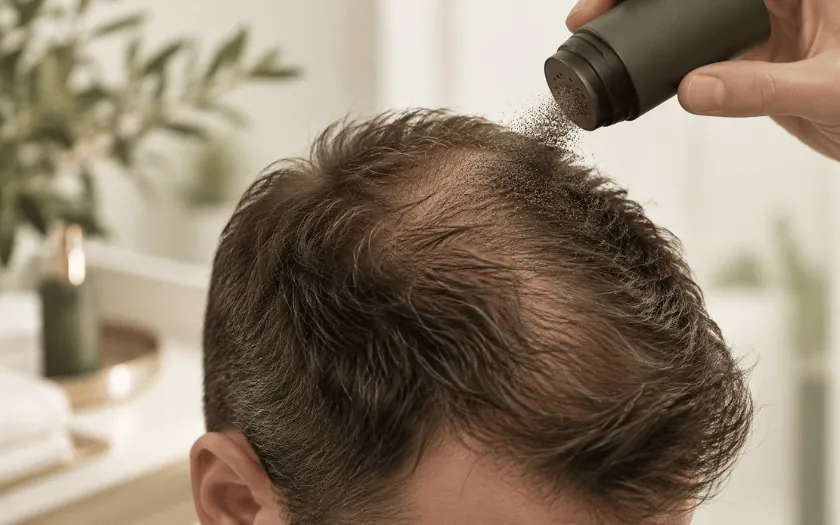
Hair fibres are fine coloured particles that cling to existing hairs and reduce the contrast between hair and scalp. They are a temporary cosmetic aid, not a treatment, and they work better where some hair is still present.

Hair fibres being sprinkled over a thinning crown
01

Temporary cosmetic density

Fibres make thinning areas look fuller for the day. They do not grow hair and they do not slow hair loss.

Man applying minoxidil solution to his scalp with a dropper
02

Application

Shaken or sprayed onto dry hair, then set lightly. A matching shade and a light hand give the most natural look.

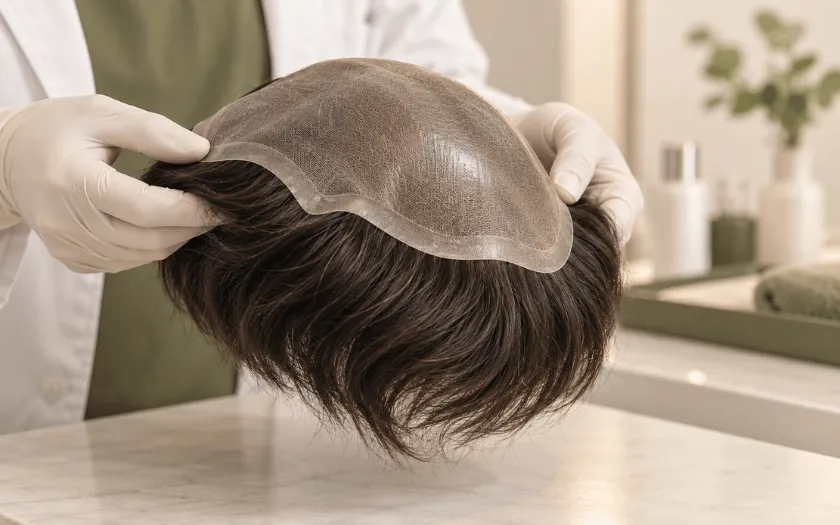
Hair patch with a thin base held over the scalp
03

Water and sweat limits

Heavy rain, swimming, humidity and sweating can loosen fibres and cause visible running on the skin or collar.

Doctor checking a patient's scalp at a follow up after a hair transplant
04

Use after a transplant

Fibres can help during the growing phase, but only once the surgeon confirms the grafts are secure. Ask before you start.

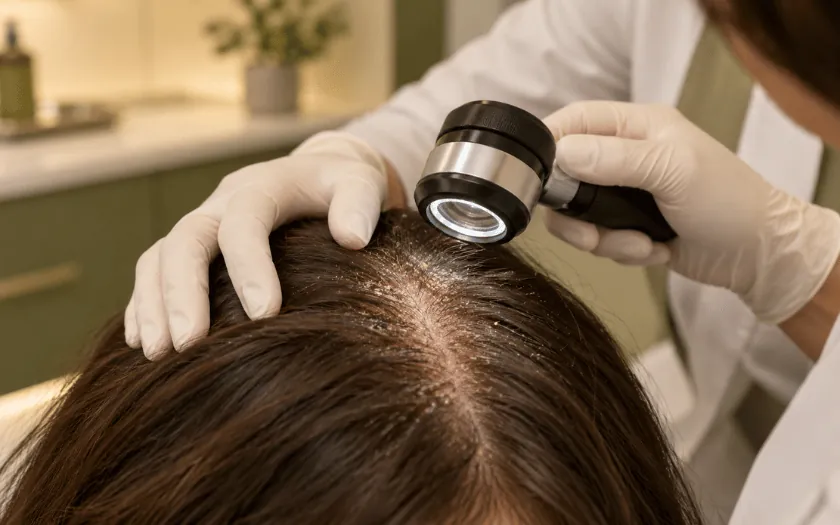
Doctor examining dandruff on a woman's scalp with a dermatoscope
05

Scalp hygiene

Wash fibres out fully each day. Build up on the scalp can clog the surface and irritate sensitive skin.

Read the full guide: Hair fibres →

Hair patches & systems

A thin base, fitted with care.

A hair system is a fine base carrying real or synthetic hair, attached over the thinning area. Done well it can look natural. Done carelessly it can irritate the skin, trap sweat and damage the surrounding hair.

Hair weaving attached with small anchor points on a thinning scalp
01 · Attachment

Clip on, bonded, taped or custom

The method changes how secure the system feels and how much it touches the skin.

  • Clip on systems attach to existing hair and come off daily
  • Taped systems use medical grade tape and are refreshed regularly
  • Bonded systems use adhesive for a longer hold
  • Custom systems are made to your head shape, density and hairline
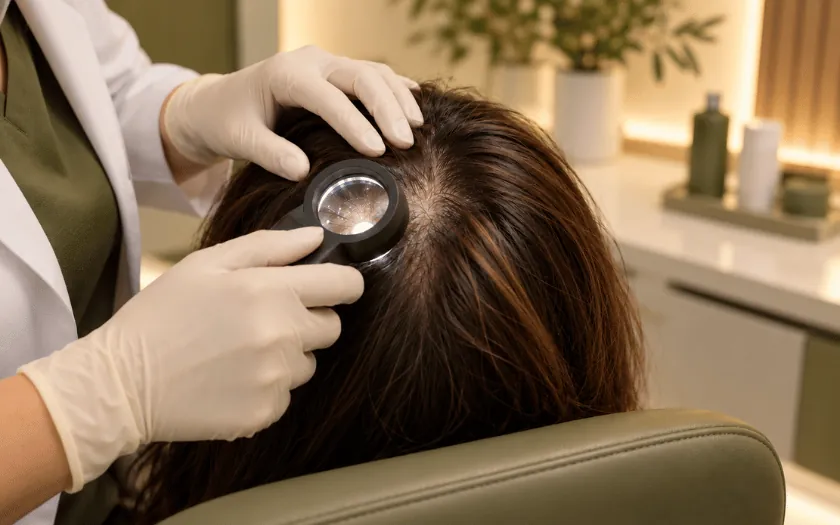
Specialist fitting a natural looking medical wig on a woman
02 · Hair type

Natural versus synthetic hair

Each has trade offs in look, feel and upkeep.

  • Natural hair moves and styles like your own and can take gentle heat
  • Natural hair usually needs more care and may fade in sun
  • Synthetic hair holds its style and costs less to maintain
  • Synthetic hair can look shiny and does not tolerate heat
Hair patch with a thin base held over the scalp
03 · Upkeep

Maintenance & cleaning

A system is a daily commitment, especially in a warm, humid city.

  • Regular cleaning of both the system and the scalp beneath it
  • Scheduled removal and reattachment for bonded or taped systems
  • Replacement as the base and hair wear over time
Doctor examining a woman's scalp with a magnifier

Adhesive allergy

Some people react to tapes, glues or removers with itching, redness or a rash. A small patch test before full use, and stopping if irritation appears, protects the skin.

Doctor reviewing a patient's crown for side effects after a hair transplant

Infection prevention

Trapped sweat and oil can lead to folliculitis or fungal infection. Clean the scalp well, let the skin breathe between attachments, and seek review for pain, pus or spreading redness.

Hair weaving attached with small anchor points on a thinning scalp

Your own hair beneath

Constant pull from clips or bonding at the edges can thin the hair you still have. Treating the underlying hair loss alongside the system is often worth discussing.

Read the full guide: Hair patches and systems →

Hair weaving

Added hair, anchored to your own.

Technique. In weaving, extra hair or a hair unit is secured to your existing hair using fine braids, threads or small links. It needs no adhesive on the skin and gives a full look from the first day.

Traction risks. Because the weave hangs from your own hair, it pulls on those follicles every day. Over months this constant tension can cause traction alopecia, a type of hair loss that may become lasting if the pull continues.

  • Tightening sessions are needed as your hair grows out
  • Tenderness, bumps or thinning at the anchor points are early warning signs
  • Regular breaks and looser anchoring reduce the strain

If your own hair is already fragile, a gentler option may protect it better. Read about types of alopecia →

Read the full guide: Hair weaving →

Medical wigs

Chosen for the reason, not just the look.

A medical wig is fitted around a diagnosis. The right cap, attachment and material depend on why the hair has been lost, how sensitive the scalp is, and how long the wig will be needed.

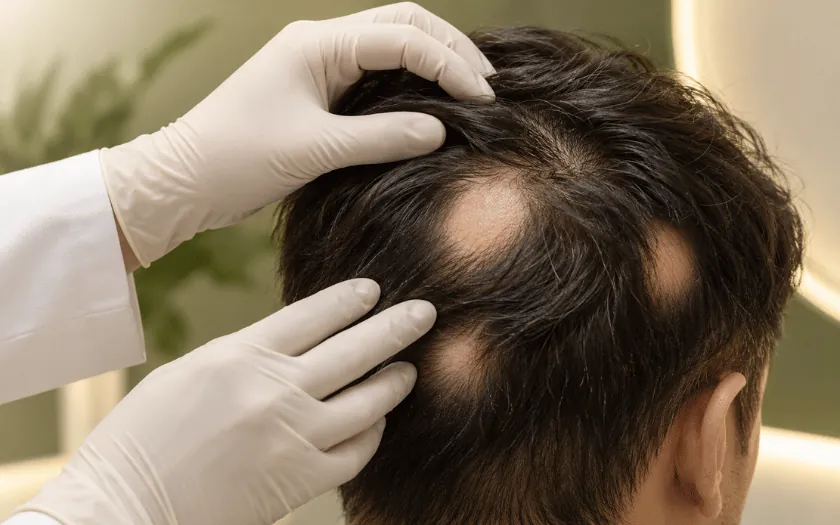
Doctor examining round bald patches of alopecia areata on the scalp
01

Alopecia areata

For patchy or total autoimmune hair loss. A wig can give confidence while medical treatment continues. Breathable caps and gentle scalp care under the wig help the skin stay comfortable.

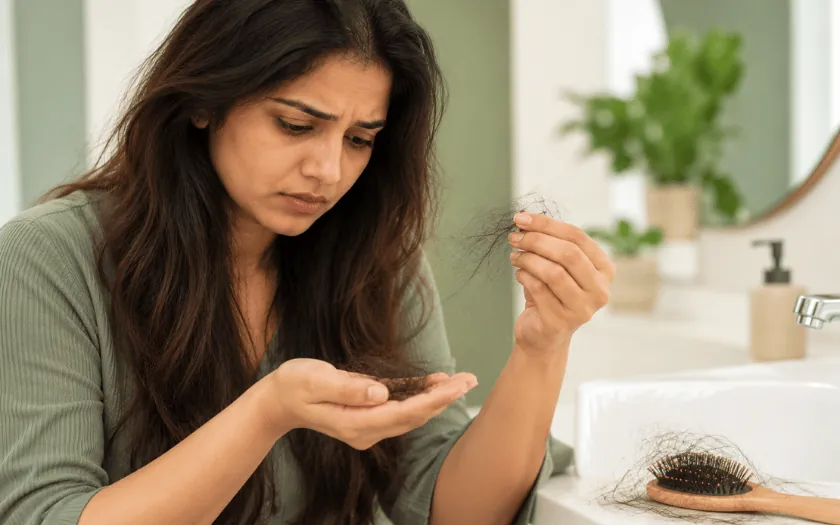
Woman looking at a handful of hair shed after medical treatment
02

Chemotherapy related hair loss

Many people find it easier to choose a wig before treatment begins, while they can still match their own colour and style. Soft, light caps and a gentle routine suit a tender scalp. Hair usually regrows after treatment, though its texture may change for a while.

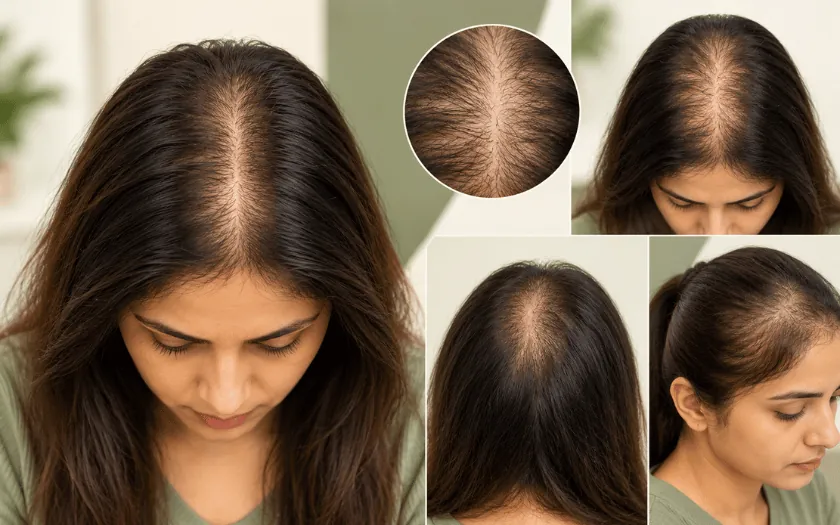
Widening parting and thinning crown in female pattern hair loss
03

Female hair loss

For diffuse or advanced thinning, the choice is often between a full wig and a topper that blends with your own hair. Attachment that does not pull, and continued medical treatment, protect the hair you have.

Doctor examining a patch of scarring alopecia with a dermatoscope
04

Scarring alopecia

While scarring disease is active, a transplant may not be suitable yet. A wig offers cover without surgery. Gentle attachment, no tight clips and protecting fragile skin come first.

Hair fibres being sprinkled over a thinning crown
05

Temporary versus long term use

Short term needs, such as treatment periods, suit simpler options. Long term wear calls for durable materials, a plan for maintenance and replacement, and an honest talk about ongoing cost.

Read the full guide: Medical wigs →

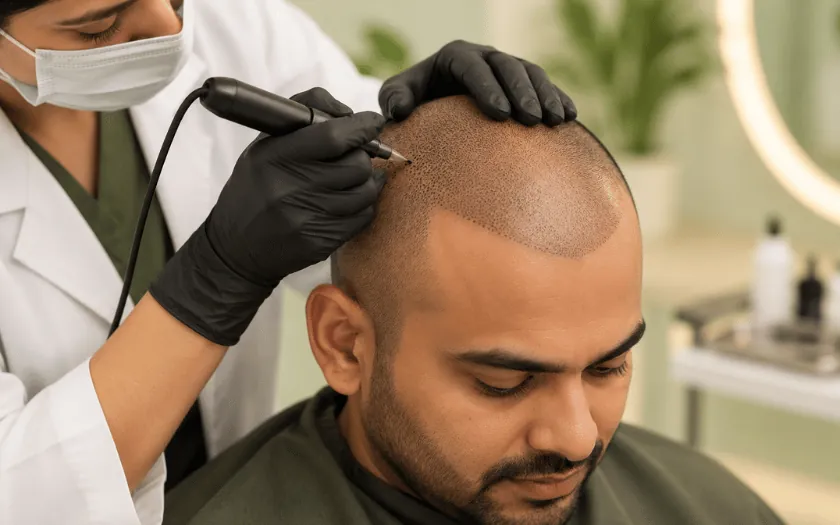
Practitioner applying scalp micropigmentation to a shaved scalp

Scalp micropigmentation

Tiny dots of pigment, placed with precision.

  1. i

    Density effect

    Pigment placed between existing hairs reduces scalp show, so thinning areas look fuller.

  2. ii

    Shaved head effect

    For those who keep their hair very short, rows of fine dots can recreate the look of closely shaved stubble and a defined hairline.

  3. iii

    Scar and donor camouflage

    SMP can soften the appearance of a linear strip scar, small FUE marks in the donor area, or other scalp scars.

  4. iv

    Colour change and fading

    Pigment in skin fades gradually and can shift in tone over time, particularly with sun exposure. The right pigment and depth reduce unwanted colour change.

  5. v

    Touch ups

    Top up sessions are usually needed over the years to keep the dots crisp and the shade even.

  6. vi

    Limitations in long hair

    SMP creates the look of dots, not hair length or volume. With longer hair it adds depth beneath thin areas but cannot replace fullness.

Read the full guide: Scalp micropigmentation →

Microblading & eyebrow camouflage

Fuller brows, drawn in pigment.

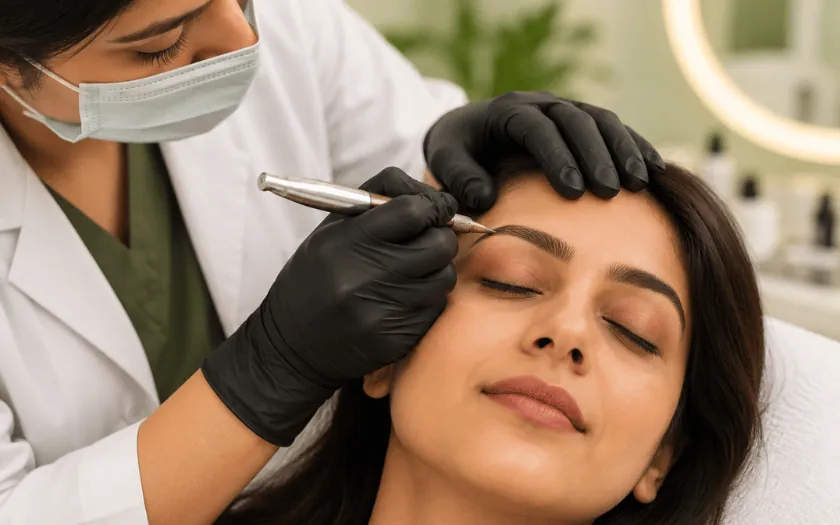
Microblading places fine strokes of pigment in the skin to imitate individual brow hairs. It changes how the brow looks, but it does not add real hair, and it fades over time.

Microblading strokes added to a woman's eyebrow
01

The technique

After mapping the brow shape to your face, a fine hand tool deposits pigment in hair like strokes. The skin heals over a few weeks, and a follow up visit refines the result.

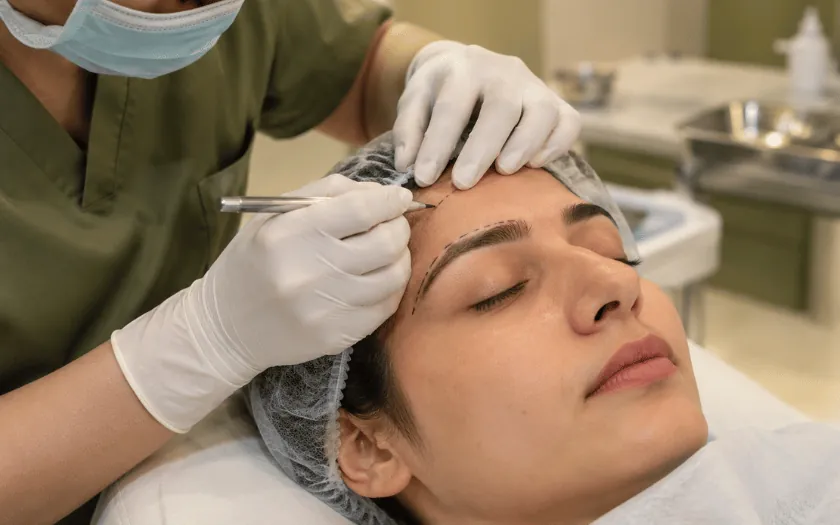
Surgeon marking the eyebrow design before an eyebrow transplant
02

How it differs from eyebrow transplantation

Microblading is pigment in the skin and needs periodic touch ups. An eyebrow transplant moves living hair follicles, which grow real hair that needs trimming. The right choice depends on the cause of brow loss and your preference.

Read about eyebrow transplant →

Permanent makeup options

Pigment work, used thoughtfully.

Surgeon marking the eyebrow design before an eyebrow transplant
01

Eyebrow simulation

Shading or stroke techniques to rebuild brow shape where hair is sparse or absent.

Surgeon marking the safe donor area at the back of the scalp
02

Scar camouflage

Pigment matched to skin or hair can reduce the contrast of a settled, stable scar.

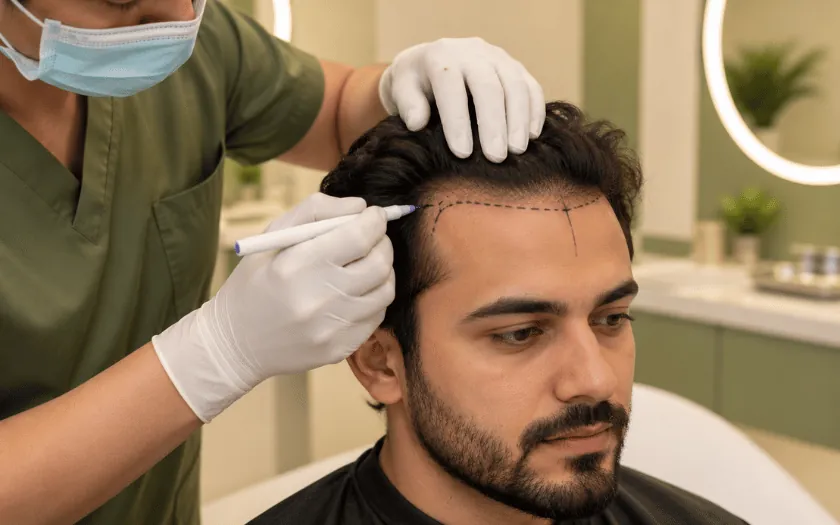
Surgeon drawing a natural hairline on a man's forehead
03

Hairline visual enhancement

Subtle pigment along the hairline can soften a sharp edge or add depth after a transplant.

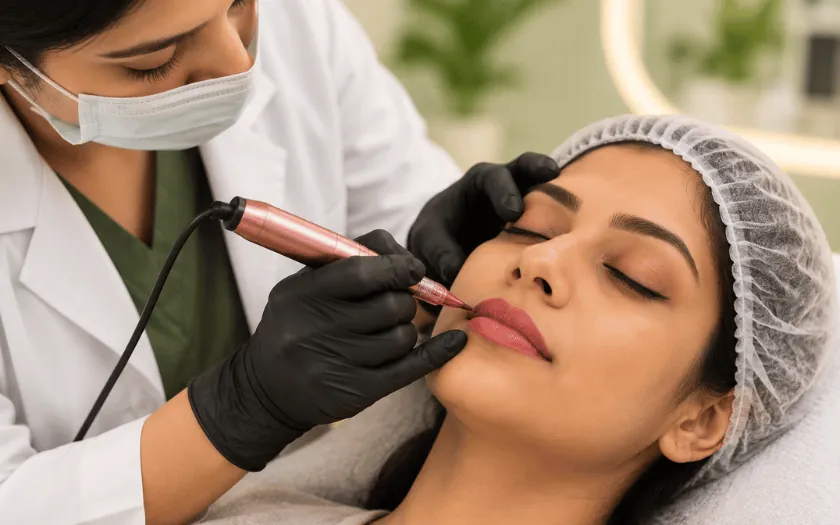
Permanent makeup pigment applied to a woman's lips
04

Areola and reconstructive work

Where relevant, for example after breast reconstruction, pigment can help restore a natural appearance. Suitability is assessed individually.

Read the full guide: Microblading →

Questions patients ask

Straight answers, before you decide.

Non surgical options are personal choices. These answers cover what people most often want to know first.

No. They change how the hair looks but do not treat the cause. If hair is still thinning, a diagnosis and medical treatment can be planned alongside any camouflage.

Often yes, but timing matters. Fibres, systems and pigment should only be used once your surgeon confirms the grafts are secure and the scalp has healed. Using them too early can disturb new grafts.

It can be, with care. Constant pulling from clips, bonds or weaves may lead to traction alopecia, and trapped sweat can cause scalp infection. Regular cleaning, breaks and gentle attachment reduce these risks.

It is long lasting but not permanent. Pigment fades and may shift in tone over the years, so touch up sessions are usually needed to keep the look even.

Many people find it helpful, because they can match their natural colour and style while their hair is still present. A soft, breathable cap is usually more comfortable on a sensitive scalp.

No. Microblading is pigment placed in the skin to imitate hairs and it fades over time. An eyebrow transplant moves living follicles that grow real hair. Each suits different situations.

Stop using it and have the skin examined. Itching, redness or a rash may be an allergy or irritation. A patch test with a different adhesive, or a clip on or taped option, may be tried once the skin settles.

Book a consultation

Begin with a conversation.

Every plan starts with an in person assessment by Dr. Ashutosh Shah. Call or WhatsApp the clinic and our team will get back to you.

Call NowBook Consultation