

Diagnose
Finding the cause before choosing a treatment.
- Scalp examination
- Trichoscopy
- Blood investigations
- Hormonal assessment
- Scalp biopsy where needed
Not every patient needs a transplant.
Ethical hair transplant care follows a five stage approach: diagnose first, treat the scalp, protect the hair you have, restore what is lost, then maintain it for life.

The five stage approach
Hair fall has many causes, and a transplant treats only one kind of problem. Working through these stages in order keeps treatment honest, safe and planned for the long term.
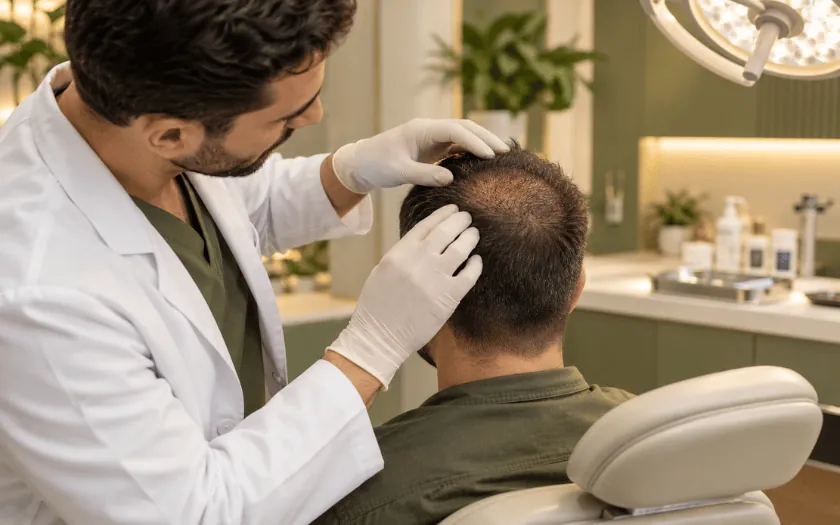
Every plan starts with a careful examination of the scalp, the pattern of hair loss and the likely cause. Many people with hair fall do not need a transplant at all, and the right diagnosis is what reveals this.
Dandruff, folliculitis, infection, inflammation, lice and autoimmune conditions are treated first. Operating on an unhealthy or unstable scalp can harm both the grafts and the hair around them.
Medical therapy, nutrition, hormonal correction and regenerative treatments may slow progression and help the hair you still have. Responses vary from person to person.
When hair has been lost for good, options include camouflage, scalp micropigmentation, hair systems or transplantation. The choice depends on your donor supply, your goals and the stability of your hair loss.
Transplanted hair may continue to grow while your original, non transplanted hair keeps thinning. Ongoing care and regular review help the result stay balanced over the years.
Scalp health, diagnosis, preservation, restoration, then lifelong maintenance.
Four treatment pathways
Most treatment plans combine more than one pathway.
Finding the cause before choosing a treatment.

Protecting and strengthening the hair you have.
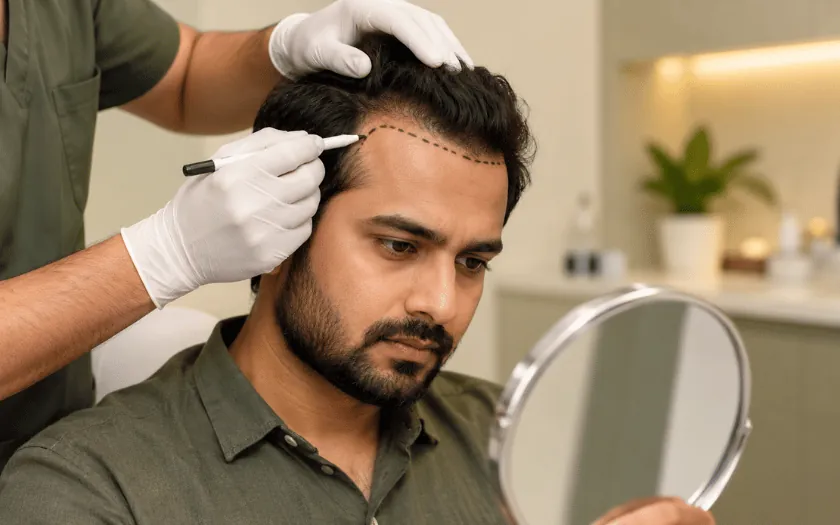
Surgical restoration for suitable, stable patients.
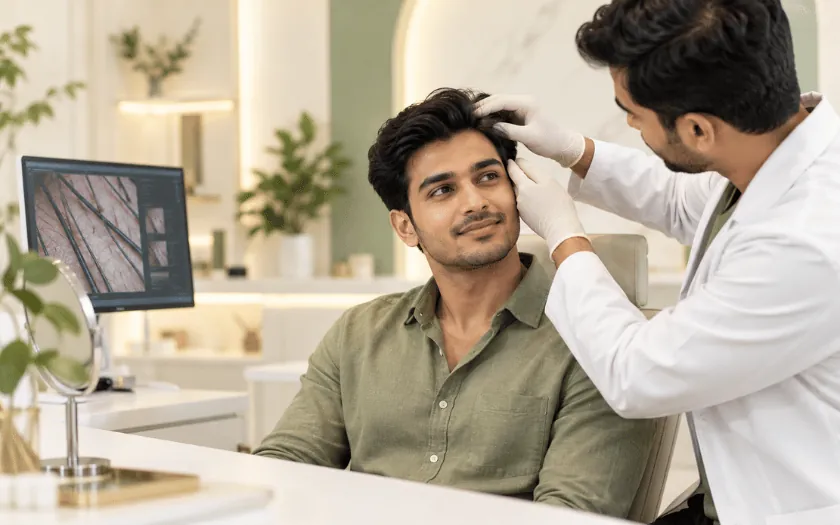
Non surgical ways to restore the look of density.
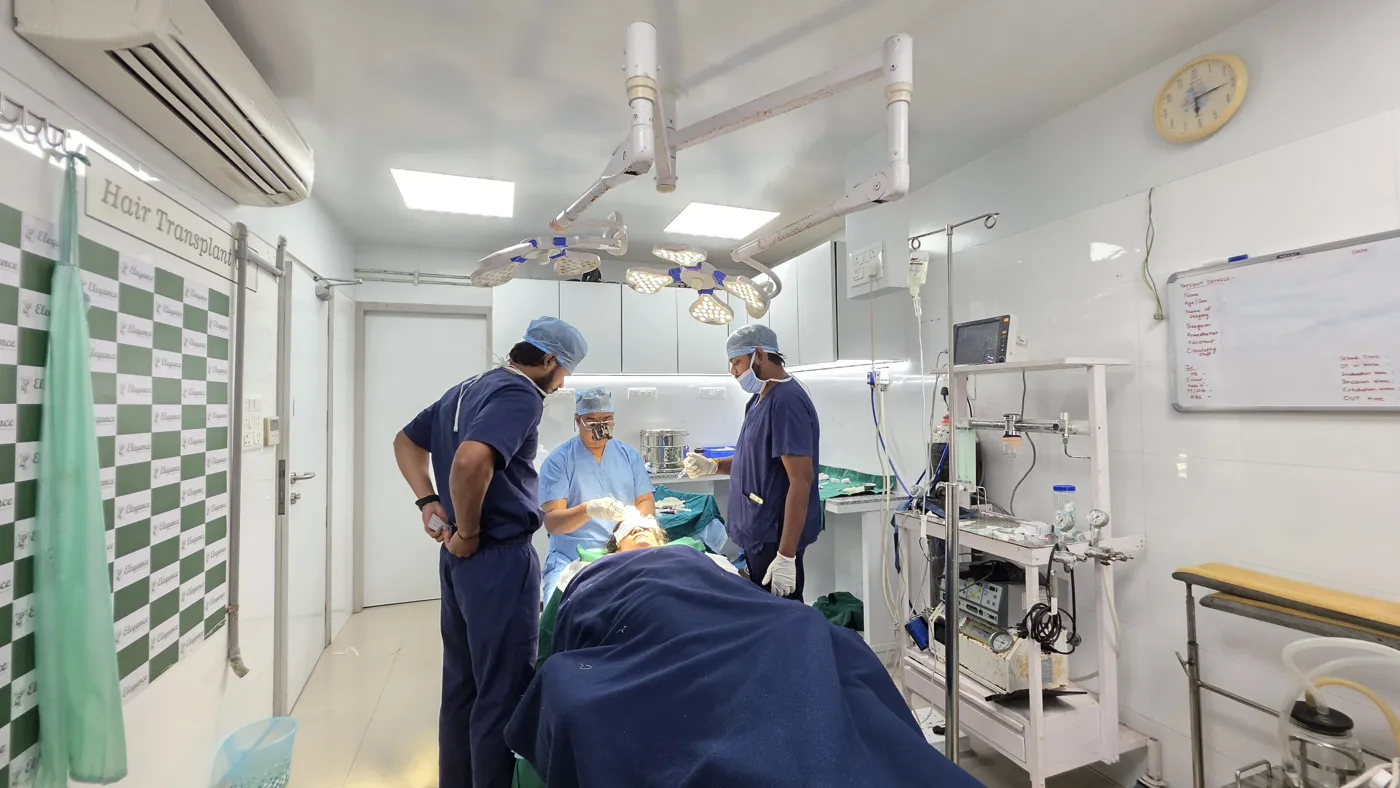
Why a plastic surgeon
A hair transplant is a surgical procedure. Plastic surgery training brings skills that are useful at every step, from planning to healing.
Formal training in surgical principles and how tissue heals.
Understanding circulation helps grafts survive and protects the scalp.
Safe dosing, monitoring and a sterile operating environment.
Careful closure and planning to keep donor scars as discreet as possible.
Recognising problems early and treating them promptly.
Work with burns, trauma and scars informs restoration in difficult areas.
Hairlines designed in proportion to the whole face.
Donor hair is limited, so it is planned for a lifetime, not one session.
FUT, FUE and reconstructive options can be combined when it helps.
Responsibility for the patient across the whole surgical journey.
Plastic surgeons are not the only doctors who perform hair transplants. Whoever you choose, look for an appropriately qualified, legally authorised and adequately trained practitioner who personally evaluates, plans, performs and follows up your procedure.
Surgeon's duties & responsibilities
A hair transplant is more than a day in theatre. These are the responsibilities a surgeon holds before, during and after your procedure.
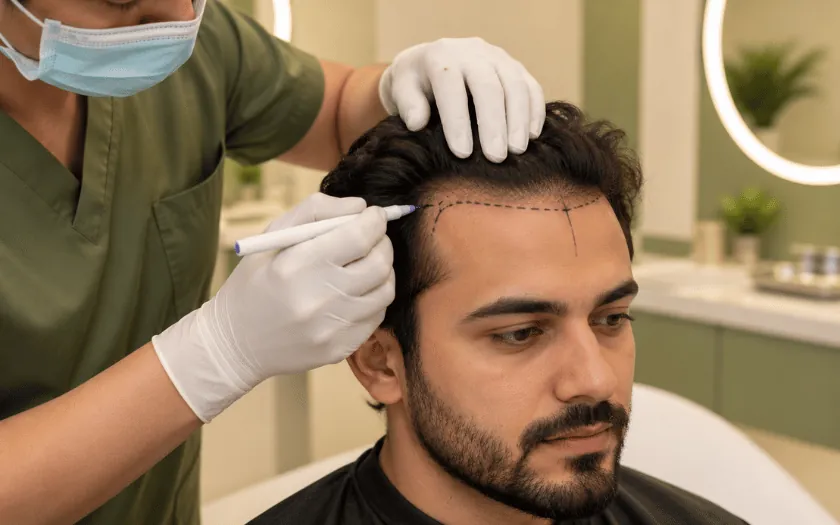
Deciding whether, when and how to operate.

Safety and precision on the day.

Care that continues long after healing.
Read the full guide: Surgeon's duties and responsibilities →
How to choose a clinic
Price matters, but safety matters more. There is a real difference between an economically priced versus unsafe discount clinic, and these checks help you tell them apart.

Ask these questions openly. A good clinic will welcome them.
Any of these should make you pause and ask more questions.
Questions patients ask
Common questions about this step by step approach and choosing the right care.
No. Many causes of hair fall, such as scalp disease, nutritional deficiency, hormonal imbalance or temporary shedding, are treated medically. A transplant is considered only for stable, visible hair loss with a suitable donor area.
Dandruff, infection, inflammation and active autoimmune or scarring conditions can affect healing and graft survival. Getting the scalp healthy and stable first gives any later procedure a safer start.
No. A transplant moves hair from the donor area to thinning areas. It does not stop your native hair from continuing to thin, which is why medical treatment and maintenance often continue afterwards.
No. Donor hair is limited and cannot be replaced once used. A careful plan considers how your hair loss may progress, so donor hair is used wisely over a lifetime.
No. What matters is that your doctor is appropriately qualified, legally authorised and adequately trained, and personally evaluates, plans, performs and follows up your procedure. Plastic surgery training adds useful skills in scar care, reconstruction and facial aesthetics.
Yes. Hair fibres, hair systems, medical wigs and scalp micropigmentation can improve the look of density without surgery. Medical treatment can also help protect the hair you still have.
Ask who examines you, who performs each step and who is available after surgery. Be cautious of guaranteed density, unlimited grafts, very low prices without an evaluation and claims of painless or risk free surgery. No surgery is risk free.
Book a consultation
Every plan starts with an in person assessment by Dr. Ashutosh Shah. Call or WhatsApp the clinic and our team will get back to you.
Book on WhatsApp
Chat with our team on WhatsApp about any treatment, consultation or appointment.
WhatsApp opens with a short message ready to send. The clinic team replies during working hours.