
Our philosophy
How to choose a hair transplant clinic
A practical checklist, and the warning signs worth knowing.
Knowing how to choose a hair transplant clinic protects both your safety and your limited donor hair. Check who is qualified, who performs each step, how the theatre is kept sterile, whether results are real and consented, and what happens after surgery, before you compare prices.
Last updated · Medical review: Dr. Ashutosh Shah, M.B.B.S., M.S., M.Ch., D.N.B. (Plastic Surgery), Gujarat Medical Council Reg. No. G-26257
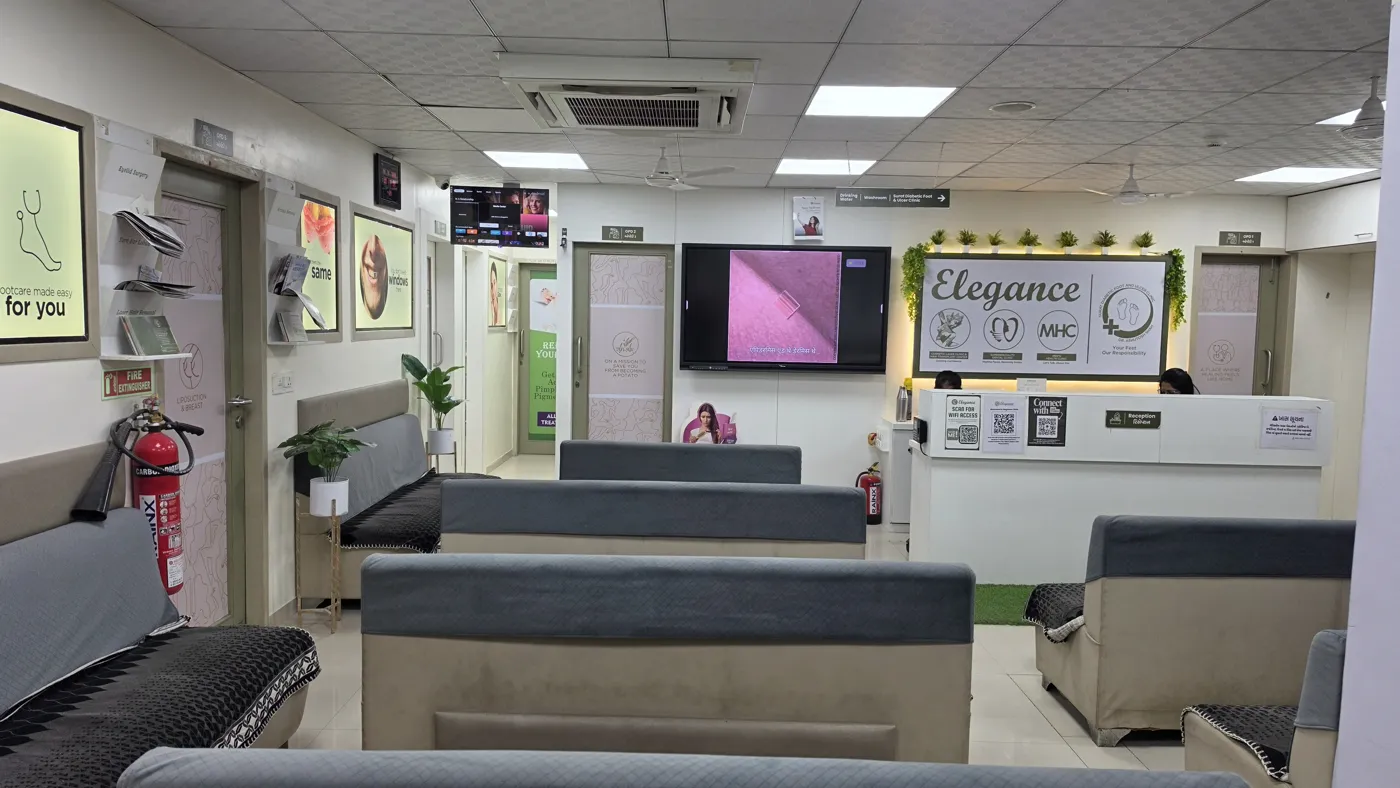 Questions a good clinic welcomes
How to choose a hair transplant clinic: safety matters more than price
Hair transplants are offered at a very wide range of prices, and it is natural to compare. The real difference to look for is between an economically priced clinic that still follows safe practice and an unsafe discount clinic that cuts corners on diagnosis, staffing, sterility or aftercare. The second can cost far more in the end, because donor hair used badly cannot be replaced.
This checklist is the same one we would suggest to a family member, wherever they choose to go.
Check qualifications and training
- Recognised medical qualifications, ideally in surgery, plastic surgery or dermatology
- Registration with the medical council, which you can check on the Indian Medical Register
- Specific training and experience in hair transplantation, not only general practice
- Experience with your kind of case, such as a hairline, crown, scar or earlier failed transplant
- Membership of relevant professional societies, as a sign of engagement rather than proof of skill
Plastic surgeons are not the only doctors who perform transplants. What matters is an appropriately qualified, legally authorised and adequately trained practitioner who personally evaluates, plans, performs and follows up your procedure.
Ask who does what
Many clinics use trained assistants, which is normal. The question is whether an accountable doctor leads the procedure. Ask these directly:
- Who examines and counsels me?
Your diagnosis and plan should come from the doctor, not only from a counsellor or salesperson.
- Who gives the anaesthesia?
Local anaesthesia needs correct dosing and monitoring by a doctor.
- Who harvests the grafts?
Extraction decides how your donor area looks for life.
- Who makes the recipient sites?
Angle, direction and spacing of the sites shape how natural the result looks.
- Will the surgeon be present throughout?
You should know who is in charge from start to finish, and who to call afterwards.
Look at safety and hygiene
- A proper operating theatre with sterile instruments and clear sterility routines
- Emergency arrangements and staff trained to respond
- A medical history and review of your medicines before surgery
- Transparent graft counting, with the number recorded and shared with you
- Written consent that lists risks as well as benefits
It is reasonable to ask to see where the procedure is done before you book.
Expect honest planning
A careful clinic examines your donor area, asks about family history, discusses how your hair loss may progress, and explains medical treatment that can protect your native hair. Hairlines should be designed for your age and face, not copied from one template. Growth usually takes months, and the result is judged at around a year. You should hear all of this before any date is fixed.
Real, consented results
Ask to see results of patients with hair loss similar to yours, photographed in similar lighting and angles, and shared with their consent. Results vary between people, so a gallery shows what is possible, not what is promised.
Ask about aftercare
Written post operative instructions, a contact number for worries, planned review visits and a clear plan for complications are part of the procedure, not extras. Ask who will see you if there is swelling, infection or poor growth, and for how long follow up continues.
Warning signs to take seriously
Any of the following should make you pause and ask more questions. Beware of:
- Promises of guaranteed density or a guaranteed result
- Promises of unlimited grafts, when donor hair is always limited
- Extremely low package prices quoted without any evaluation
- Technician led surgery without an accountable doctor supervising
- No discussion of future hair loss, and no examination of the donor area
- The same hairline design offered to everyone
- Heavy discount pressure to book quickly
- Stock photos instead of real patient results
- No access to the surgeon after the procedure
- Claims of painless, scarless or risk free surgery
- Misleading stem cell or 100% growth promises
Suitability, risks and recovery differ for each patient and are discussed during consultation.
Bring this checklist to us.
We are happy to answer every question on it at your consultation.
When you visit
What to look at in person
A visit tells you more than a brochure. These are the places worth seeing at any clinic.
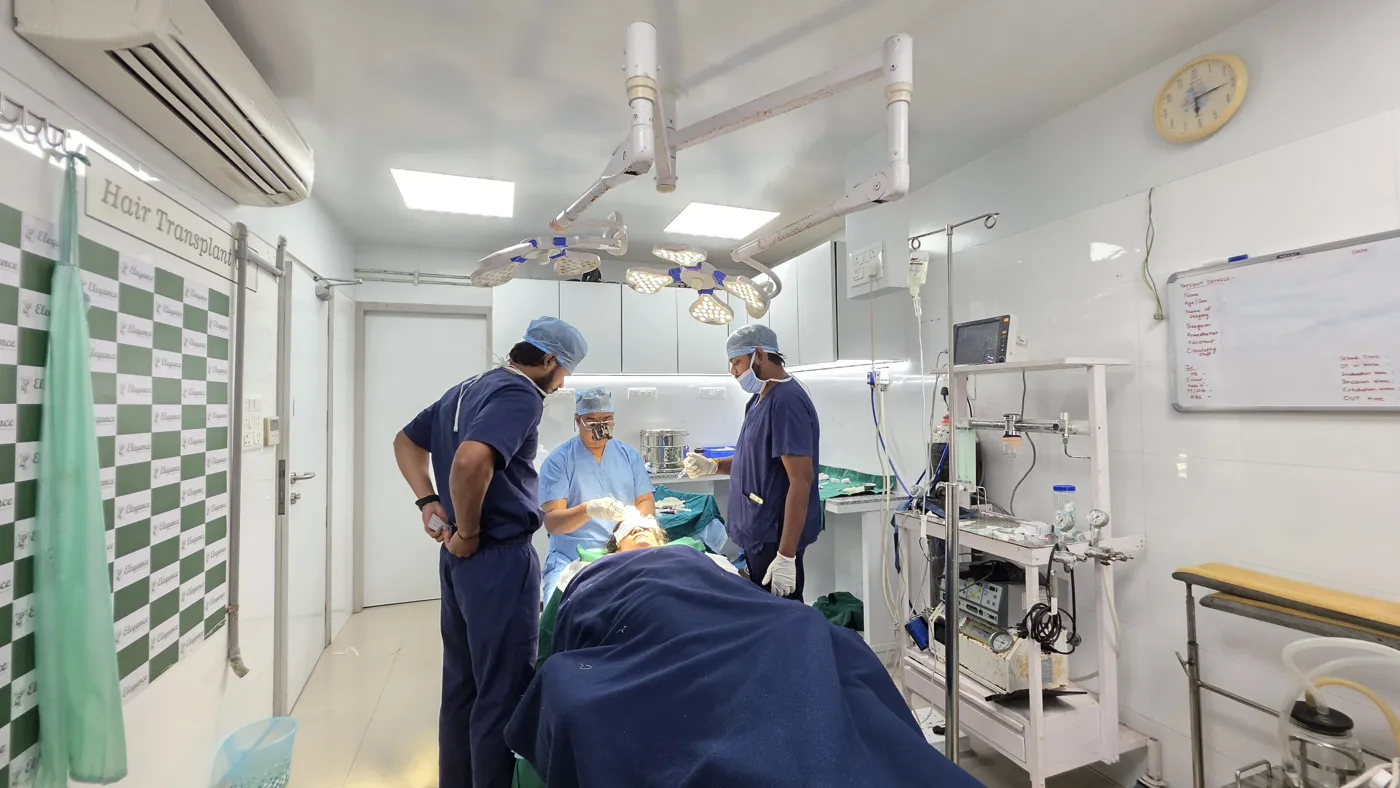

Choosing a clinic
Before you commit.
Common questions from patients comparing clinics.
No. Price alone tells you little. An economically priced clinic can be safe, and an expensive one can still skip diagnosis or aftercare. Judge a clinic on qualifications, roles, sterility, planning and follow up.
Ask what is causing your hair loss, whether it is stable, how many grafts your donor area can safely give, who performs each step, what the risks are for you and who follows you up afterwards.
No. In India, medical advertising rules discourage before and after images because every result is different. Judge a clinic by the surgeon’s qualifications, who performs each step, how the donor area is planned and how follow up is handled.
Only as a rough idea. A reliable graft estimate needs an examination of your donor density, hair type and the area to cover. Firm numbers given without an examination are a reason to ask more questions.
Pressure to decide quickly, especially with a time limited discount, is a warning sign. You should have time to understand the plan, the risks and the alternatives before you commit.
You can, but plan for follow up. Ask how follow up visits and complications are handled once you are home.
Not on its own. Memberships show engagement with a specialty, but safety comes from qualified people, clear roles, sterile practice, honest planning and reliable aftercare.
Book a consultation
Begin with a conversation.
Every plan starts with an in person assessment by Dr. Ashutosh Shah. Call or WhatsApp the clinic and our team will get back to you.
Book on WhatsApp
Chat with our team on WhatsApp about any treatment, consultation or appointment.
- Ask about any treatment
- Book a consultation
- Get directions to our clinics
WhatsApp opens with a short message ready to send. The clinic team replies during working hours.