
Recovery and Aftercare
How to Prepare for Hair Transplant Surgery: A Practical Checklist
How to prepare for hair transplant surgery: have a medical check, stop smoking, review medicines with your surgeon, keep your scalp healthy and plan rest and transport.
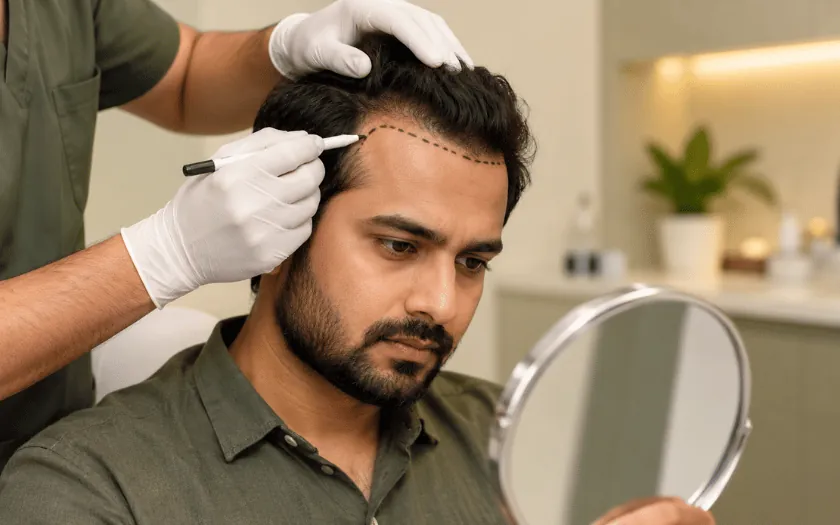
If you are wondering how to prepare for hair transplant surgery, the main steps are a medical assessment, a clear plan with your surgeon, and a few changes in the weeks before. These include stopping smoking, reviewing medicines and supplements that can increase bleeding, keeping the scalp healthy, and arranging rest and transport. Your surgeon's own instructions always come first, because they are based on your health and your plan.
- Have a full medical assessment and any blood tests requested.
- Stop smoking and nicotine products as early as you can.
- Never stop a prescribed medicine on your own; ask your surgeon or doctor.
- Treat any scalp problem before the day.
- Plan time off, a companion and a calm first week.
How to prepare for hair transplant surgery in the weeks before
Good preparation starts at consultation. Your surgeon will confirm the cause of your hair loss, assess the donor area, agree on a design and explain the technique. Use this time to ask questions and to share your full medical history, including:
- Long term conditions such as diabetes, high blood pressure, heart or kidney disease.
- Bleeding problems, easy bruising or a family history of them.
- Allergies, especially to local anaesthetics, antibiotics or dressings.
- Every medicine, supplement and herbal product you take.
- Previous surgery on the scalp, keloids or poor wound healing.
Our page on the hair transplant patient journey explains each stage from first visit to final result.
What tests are needed before a hair transplant?
Tests depend on your age and health. They often include blood tests to check blood count, blood sugar and clotting, and screening for certain infections. Some people may need a heart tracing (ECG) or a review by their own doctor. Blood pressure and blood sugar should be well controlled before surgery. If a result needs attention, surgery may be moved to a safer date.
What to avoid before hair transplant surgery
Smoking and nicotine
Smoking reduces the oxygen that reaches healing skin and raises the risk of slow healing and infection. Grafts depend on a good blood supply in the first days. General surgical advice is to stop smoking and other nicotine products, including e cigarettes, several weeks before surgery. The earlier you stop, the better for healing. Our article on how smoking affects a hair transplant explains why.
Medicines and supplements that affect bleeding
Some medicines and supplements can increase bleeding during surgery. Examples include aspirin, certain anti inflammatory painkillers, blood thinners and some supplements such as fish oil or vitamin E. Do not stop any prescribed medicine yourself. Some, such as blood thinners, protect you from serious problems. Your surgeon will tell you which to continue, which to pause and when, often after speaking with the doctor who prescribed them.
Alcohol
Alcohol can affect bleeding and hydration. Most surgeons advise avoiding it for some days before surgery. Follow the timing you are given.
Hair and scalp treatments
Ask before colouring, bleaching, chemical straightening or starting any new scalp product in the weeks before. If you use a topical hair loss treatment, ask whether to continue or pause it before surgery. Do not cut your hair very short unless asked, as the team may need a certain length to plan and trim.
Why does scalp health matter before surgery?
Grafts need calm, healthy skin to settle. Dandruff, folliculitis, fungal infection or psoriasis should be treated and controlled first. Our guide to scalp health before hair transplant explains which problems are treated and how.
What should I do the day before and on the morning of surgery?
- Sleep well and avoid heavy exercise the day before.
- Wash your hair as instructed, and do not apply oil, gel, wax, spray or hair fibres.
- Eat a light meal before arriving, unless told otherwise, as the day is long.
- Wear a loose shirt that buttons at the front, so nothing is pulled over your head afterwards.
- Take regular medicines only as agreed with your surgeon.
- Bring your reports, a list of your medicines and something to pass the time.
- Do not drive yourself home. Arrange a companion or transport.
What should I arrange for recovery?
Planning ahead makes the first week easier:
- Time off: many people take a few days to a week away from work, depending on the job and how visible healing is. See our guide on returning to work after a hair transplant.
- Sleeping set up: extra pillows to keep your head raised for the first nights.
- Medicines ready: collect prescribed medicines before you go home.
- A loose hat or cap: only if your surgeon approves the type and timing.
- Help at home: someone nearby for the first evening is reassuring.
- Pause heavy exercise, swimming and helmets for the period your surgeon advises.
You can read what to expect afterwards in our guide to hair transplant aftercare.
When might surgery need to be postponed?
It is safer to postpone if you develop a fever, cold or chest infection, a skin infection on the scalp, a cold sore flare, or if your blood pressure or blood sugar is poorly controlled. Tell the clinic about any new illness or new medicine before the day. Moving the date is a safety step, not a failure.
Questions to ask your surgeon before the day
- Which of my medicines should I continue, and which should I pause?
- How long before surgery should I stop smoking and alcohol?
- What should I eat and drink on the morning of surgery?
- How should I wash and care for my hair before I come in?
- Who should I contact if I have a concern after I go home?
At Elegance Hair Restoration Centre, Dr. Ashutosh Shah, a plastic surgeon with more than 22 years of experience, gives each patient written instructions tailored to their health and plan. Book a consultation at Elegance Hair Restoration Centre in Surat to discuss your options and prepare with confidence.
Related treatments and conditions
Sources
- MedlinePlus: Smoking and surgery
- PMC (NIH): Complications in Hair Transplantation
- Cleveland Clinic: Hair Transplant
- American Academy of Dermatology: Hair transplant
This article is for general information only. Treatment depends on each patient’s condition and should be decided after consultation with a qualified doctor. Medically reviewed by Dr. Ashutosh Shah, M.B.B.S., M.S., M.Ch., D.N.B. (Plastic Surgery), Gujarat Medical Council Reg. No. G-26257. See the medical disclaimer.
More in Recovery and Aftercare
Questions patients ask
Straight answers, before you decide.
These are the questions that come up most often in consultation. If yours is not here, send it on WhatsApp and the team will reply.
Not unless you are asked to. The surgical team usually trims the donor area, and sometimes the recipient area, on the day to suit the technique. Some people prefer to cut their hair shorter a few days beforehand so the change is less noticeable. Ask your surgeon what length works for your plan.
Many surgeons ask you to limit caffeine on the morning of surgery, as it can raise heart rate and may slightly increase bleeding or anxiety. A small amount is often fine, but follow the advice you are given. Drinking water and eating a light meal beforehand usually helps you stay comfortable through a long procedure.
Most regular medicines, including those for blood pressure, are usually continued, but this must be confirmed with your surgeon. Well controlled blood pressure helps reduce bleeding during surgery. Bring a list of all your medicines and doses to the consultation, and do not stop anything on your own.
It depends on the treatment. Some surgeons ask patients to pause certain topical products for a short time around surgery, while tablets may be continued. Because the answer depends on your treatment and plan, ask your surgeon directly and follow the timing they give, both before and after surgery.
It is safer not to. You may have received a sedative, you will have had a long day, and there may be swelling or tiredness. Arrange for someone to drive you or use a taxi. Your surgeon will advise when it is reasonable to drive again during the first week.