
Hair Transplant
How Long Does a Hair Transplant Last? What to Expect
How long does a hair transplant last? Transplanted hair usually keeps growing for many years because donor follicles tend to resist DHT, but untreated native hair around it may keep thinning.
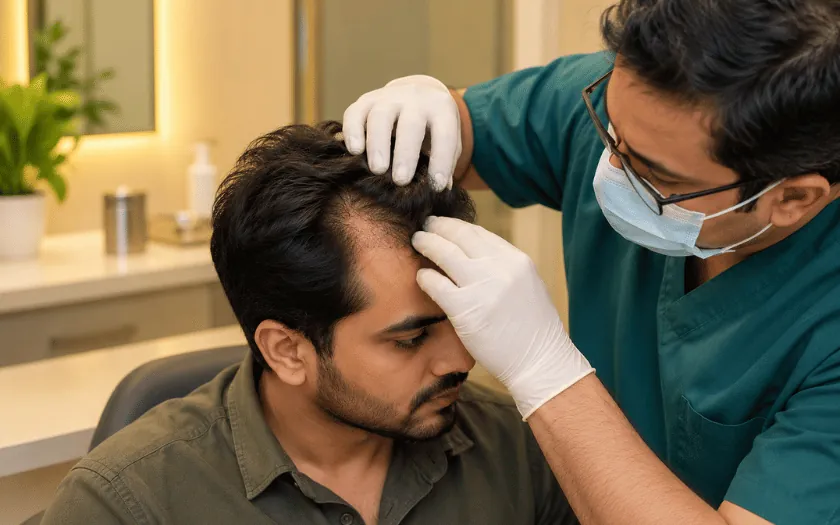
For most people, transplanted hair taken from the safe donor zone keeps growing for many years, often for life, because those follicles tend to resist the hormone that causes pattern hair loss. However, a hair transplant does not stop your own native hair from thinning. So the honest answer is that the grafts usually last, while the overall look can change as the rest of your hair ages.
Key takeaways
- Donor hair from the back and sides of the head usually resists DHT.
- Transplanted hair tends to keep the character of the area it came from.
- Native hair in untreated areas may continue to thin.
- Medical treatment and careful planning help protect the result.
How long does a hair transplant last?
A transplant moves hair follicles from a donor area, usually the back and sides of the scalp, to thinning areas. In pattern hair loss, this donor area is often spared even in people who lose most of the hair on the crown and front.
Once grafts settle and grow, they usually continue to produce hair year after year. That is why transplanted hair lifespan is often described as long lasting. Still, results cannot be guaranteed. How long they look good depends on where the grafts came from, how they were handled, your health, and how your other hair changes.
What is donor dominance?
Donor dominance is a principle described by early hair transplant researchers and still central to planning today. It means a hair follicle keeps the behaviour of the site it was taken from, not the site where it is placed.
In pattern hair loss, follicles on the top of the scalp are sensitive to DHT, a hormone made from testosterone. DHT gradually shrinks these follicles until they produce fine, short hairs. Follicles at the back and sides are usually far less sensitive. When they are moved to the front, they tend to keep this resistance.
Why the safe donor zone matters
Not every part of the back of the head is equally resistant. Hair near the crown edge, the upper sides and the nape may thin later in life. Surgeons aim to harvest only from the safe donor zone. Grafts taken from areas that may thin later can themselves thin after being transplanted. This is why careful donor area planning is so important.
How long does a hair transplant last?
The early timeline looks like this, though every person is different:
- First few weeks: most transplanted hairs shed. The follicles remain under the skin.
- Around three to four months: new growth often begins.
- Six to nine months: many people see a clear change.
- Twelve months or more: the result matures, and some people keep improving for longer.
After this, grafts from the safe donor zone usually continue to grow in their normal cycle, shedding and regrowing like any other hair. Over decades, natural ageing can make all hair a little finer, including transplanted hair.
What can change after a transplant?
Native hair may keep thinning
This is the most important point. A transplant redistributes donor hair. It does not treat the cause of male pattern hair loss in the hair that was already there. If native hair behind or around the grafts thins, the transplanted area can look isolated over time.
The hairline design matters
A very low or dense hairline may look fine at 25 but out of place at 50, especially if the hair behind it thins. A conservative, age appropriate hairline tends to age more naturally.
Health and scalp conditions
Some conditions, such as active scarring alopecia or uncontrolled autoimmune hair loss, can affect grafts. These need to be stable and assessed before surgery is considered.
How can you protect your result over the long term?
Several steps can help:
- Medical treatment. Medicines prescribed by a doctor may slow thinning of native hair. Your doctor decides what suits you after reviewing your health. See our page on medical hair treatment.
- Follow up visits. Regular reviews help catch new thinning early.
- Scalp care. Treating dandruff, infection or inflammation promptly supports healthy growth.
- General health. Balanced nutrition, good sleep and not smoking support healing and hair health.
Our guide to post transplant maintenance explains ongoing care in more detail.
Will you ever need a second procedure?
Some people are satisfied with one session for life. Others choose a second session years later, often because native hair has continued to thin or because they want more density or crown coverage.
Whether this is possible depends on how much donor hair remains. This is why a good plan treats donor hair as a limited resource to be used across a lifetime, not all at once.
What affects the cost of a lasting result?
Cost depends on factors such as the number of grafts, the technique, whether sessions are staged, and the medical treatment advised before and after surgery. The exact cost can be discussed after consultation and assessment.
Who is a good candidate for a long lasting result?
People tend to do well when they have a healthy donor area, stable or treated hair loss, realistic expectations and a willingness to follow long term care. A very young patient with rapidly progressing loss may be advised to start medicines and wait before surgery. You can read about the full procedure on our hair transplant page.
Book a consultation at Elegance Hair Restoration Centre in Surat to discuss your options. Dr. Ashutosh Shah, a plastic and hair transplant surgeon practising in Surat since 2004, will assess your donor area and explain what you can realistically expect. Book a consultation in Surat.
Related treatments and conditions
Sources
- American Academy of Dermatology: Hair loss, hair transplant
- PMC: Controversies in hair transplantation
- PMC: Donor harvesting, follicular unit excision
- NHS: Hair loss
This article is for general information only. Treatment depends on each patient’s condition and should be decided after consultation with a qualified doctor. Medically reviewed by Dr. Ashutosh Shah, M.B.B.S., M.S., M.Ch., D.N.B. (Plastic Surgery), Gujarat Medical Council Reg. No. G-26257. See the medical disclaimer.
More in Hair Transplant
Questions patients ask
Straight answers, before you decide.
These are the questions that come up most often in consultation. If yours is not here, send it on WhatsApp and the team will reply.
Transplanted hair usually behaves like the hair from the area it was taken from. If the hair at the back of your head greys with age, the transplanted hair is likely to grey in a similar way. Greying is a separate process from pattern hair loss and is not prevented by surgery.
Grafts from the safe donor zone usually keep growing, though all hair goes through normal shedding cycles. Grafts taken from outside the safe zone, or affected by certain scalp diseases, may thin later. Gradual thinning around the grafts is more often due to native hair loss continuing.
Not everyone needs medicines. They are often advised to slow thinning of native hair, which helps the overall result look balanced. The choice depends on age, pattern of loss, health and personal preference, and should be made with your doctor, who can review benefits and side effects.
It can for selected women, for example those with a stable donor area or a receding hairline. Many women have diffuse thinning that also affects the donor area, which may make transplanted hair less reliable. A careful diagnosis is needed before surgery is considered.