
Treatments
Finasteride Side Effects: What Men Should Know Before Starting
Finasteride side effects are uncommon for most men, but they can include reduced sex drive, erection or ejaculation problems and mood changes. Knowing the warning signs helps you use it safely.
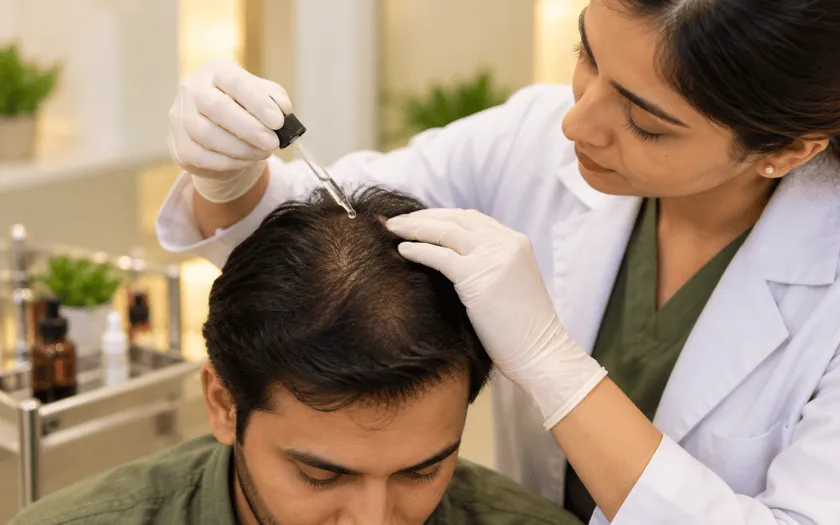
Finasteride side effects affect a minority of men, and many men take it for years without problems. The most talked about are sexual side effects, such as lower sex drive and erection or ejaculation problems, and less commonly low mood. Understanding these risks before you start, and knowing when to stop and seek help, is part of using finasteride safely.
- Sexual side effects are the most common and often improve over time.
- In some men they can continue after stopping the medicine.
- Low mood or thoughts of self harm mean stopping finasteride and getting medical help straight away.
- Breast lumps, pain or nipple discharge need prompt medical review.
- Women who are or may become pregnant should not handle broken or crushed tablets.
What is finasteride and why is it used for hair loss?
Finasteride is a tablet that blocks the enzyme 5 alpha reductase. This enzyme turns testosterone into DHT (dihydrotestosterone), the hormone that gradually shrinks hair follicles in male pattern hair loss. By lowering DHT, finasteride can slow further loss and, in some men, help hair regrow.
The same medicine, at a higher strength, is used to treat an enlarged prostate. The hair loss version is prescribed by a doctor after assessment. More detail on how it is used is on our finasteride for hair loss page.
What are the common finasteride side effects?
According to NHS guidance, the common side effects, which affect more than 1 in 100 men, are:
- Reduced interest in sex (lower libido).
- Difficulty getting or keeping an erection.
- Problems with ejaculation, such as less semen.
For many men these effects are mild and improve as the body adjusts. If they continue or bother you, speak to your doctor. Do not simply live with them in silence.
Why do some men worry more than others?
Anxiety about sexual side effects is understandable, and worry itself can affect sexual function. An honest conversation with the doctor before starting, and a clear plan for what to do if problems appear, often helps men feel more in control.
Is finasteride safe? The less common but serious effects
Most men tolerate finasteride well. Serious side effects are rare, but they matter.
Mood changes and depression
Finasteride has been linked with low mood, depression and, rarely, thoughts of self harm. The NHS advises men taking it for hair loss to stop the medicine straight away and speak to a doctor if they notice low mood. Anyone with thoughts of harming themselves should seek emergency help immediately.
It is a good idea to tell a family member or friend that you have started finasteride, so they can mention it if they notice changes in your mood or behaviour.
Breast changes
Report any lumps, pain, swelling or discharge from the nipple to a doctor promptly. These symptoms are uncommon but need checking.
Allergic reactions
As with any medicine, a rash, swelling of the lips or face, or difficulty breathing needs urgent medical help.
Prostate health and fertility
Finasteride lowers PSA (prostate specific antigen), a blood marker used to check the prostate. If you have a PSA test, tell the doctor that you take finasteride so the result can be interpreted correctly. The US Food and Drug Administration has also noted a possible increase in the risk of a high grade form of prostate cancer, and a possible reduction in male fertility. Men planning a family should discuss this before starting.
Can finasteride sexual side effects continue after stopping?
For most men, side effects settle after stopping finasteride. However, the NHS notes that sexual side effects can sometimes carry on even after the medicine is stopped.
Some men describe a group of lasting sexual, mental and physical symptoms after stopping, sometimes called post finasteride syndrome. How often this happens and why is not well understood, and research is ongoing. It is one reason why finasteride should be a considered decision rather than a casual one.
What happens when you stop finasteride?
Finasteride works only while you take it. After stopping finasteride, DHT levels return to their previous level, and the hair gained or kept is usually lost gradually over the following year or so. Pattern hair loss then continues at its natural pace.
You can stop at any time, but it is sensible to discuss it with your doctor first, unless you have mood changes or a serious reaction, in which case stop straight away and get medical advice. Your doctor may suggest another approach, such as minoxidil treatment, to help protect your hair.
Can women take finasteride?
Finasteride is not suitable for women who are pregnant, may become pregnant or are breastfeeding. It can affect the development of the genitals in a male baby.
Women who are or may become pregnant should not touch broken or crushed tablets. If this happens, wash the area straight away and speak to a doctor. Whole, coated tablets are designed to prevent contact with the medicine.
How can you lower the risk of side effects?
- Start with a proper diagnosis. Make sure your hair loss is actually pattern hair loss before taking a hormone blocking medicine.
- Share your full history, including mood problems, sexual health concerns, fertility plans and other medicines.
- Take it only on prescription and exactly as your doctor advises.
- Keep follow up appointments, so side effects and progress can be reviewed.
- Speak up early if anything changes. Side effects are easier to manage when they are discussed.
Finasteride is one of several options. Our guide comparing minoxidil vs finasteride explains how the two medicines differ, which can help you decide what to ask your doctor.
When should you see a doctor?
Contact a doctor if you notice:
- Low mood, anxiety or changes in behaviour.
- Sexual side effects that persist or worry you.
- Breast lumps, pain or nipple discharge.
- Signs of an allergic reaction.
If you are considering finasteride or have concerns about side effects, book a consultation at Elegance Hair Restoration Centre in Surat to discuss your options. You can book a consultation at our Adajan or Vesu centre.
Related treatments and conditions
Sources
This article is for general information only. Treatment depends on each patient’s condition and should be decided after consultation with a qualified doctor. Medically reviewed by Dr. Ashutosh Shah, M.B.B.S., M.S., M.Ch., D.N.B. (Plastic Surgery), Gujarat Medical Council Reg. No. G-26257. See the medical disclaimer.
More in Treatments
Questions patients ask
Straight answers, before you decide.
These are the questions that come up most often in consultation. If yours is not here, send it on WhatsApp and the team will reply.
NHS guidance lists reduced sex drive, erection difficulties and ejaculation problems as common, meaning they affect more than 1 in 100 people. Most men who take finasteride do not experience them, and in many who do, the effects improve over time.
NHS guidance says alcohol can be drunk while taking finasteride. General advice on keeping alcohol within sensible limits still applies, particularly as heavy drinking can itself affect mood, sleep and sexual function.
A very small amount of finasteride can pass into semen. Any concerns about trying for a baby or a partner's pregnancy while taking finasteride should be discussed with a doctor, who can explain the current guidance for your situation.
Dose changes should only be made by the prescribing doctor. Some doctors may consider adjusting treatment or switching to another option if side effects occur, but self adjusting tablets can make it hard to judge both benefit and side effects.
No. Topical finasteride is designed to act mainly on the scalp, but some is absorbed into the body, so sexual and other side effects remain possible. It should be used only on medical advice, with the same precautions around pregnancy.